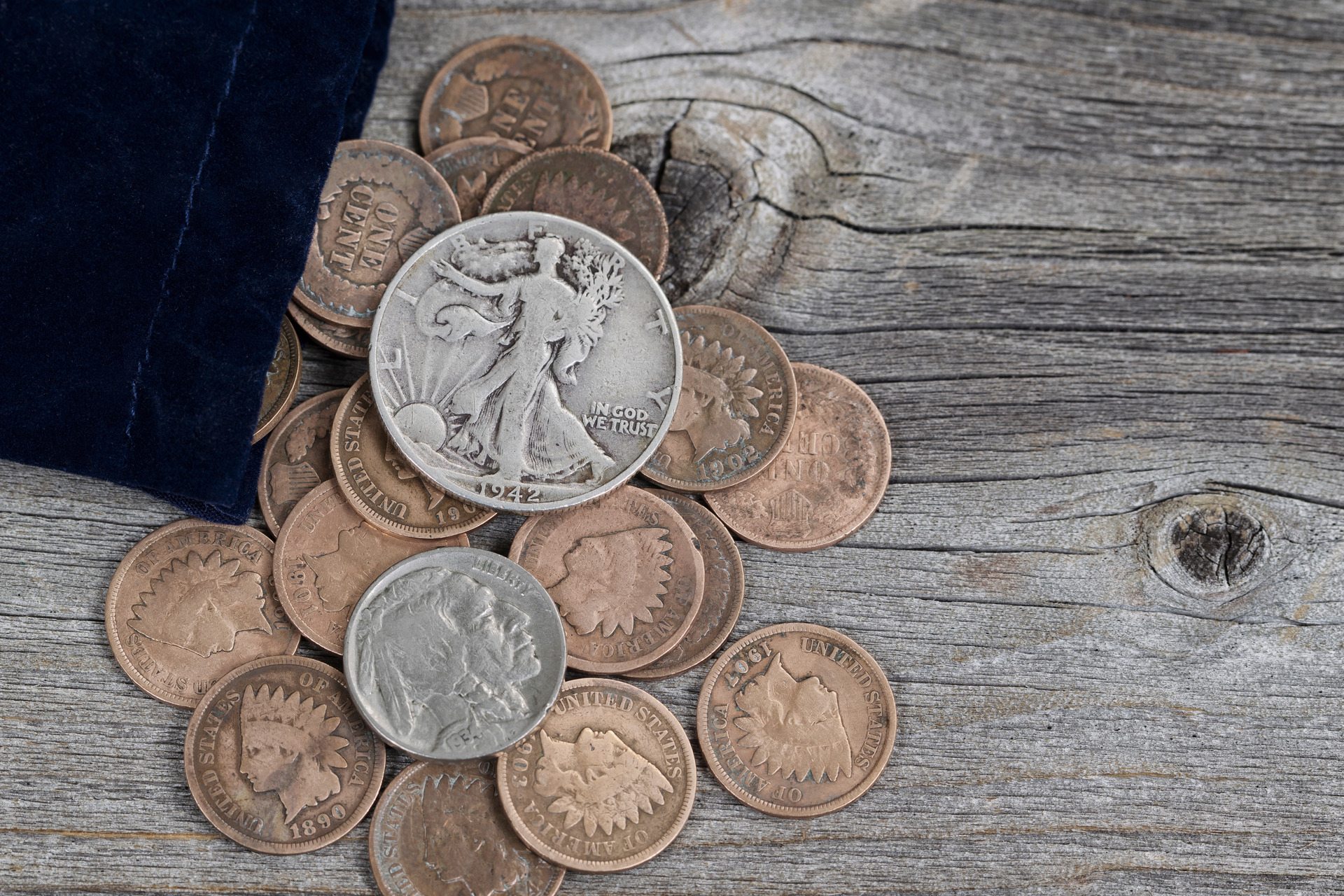
METAIRIE, LA, UNITED STATES, January 27, 2026 /EINPresswire.com/ — Silver coins and collectibles often carry value that extends far beyond the denomination stamped on their surface. While face value reflects legal tender status, true worth is influenced by factors such as metal content, rarity, condition, historical context, and market demand. Understanding these elements helps clarify why certain silver pieces command prices well above their original monetary value.
KenWorks, located in Metairie, Louisiana, regularly evaluates silver coins and collectible items that span decades and, in some cases, centuries. Silver has long served both as a medium of exchange and as a store of value. Coins minted for circulation often contain precious metal content that fluctuates in value based on market conditions. Over time, many of these coins transition from everyday currency to collectible assets.
One primary driver of value in silver coins is metal content. Older U.S. coins, particularly those minted before the mid-1960s, often contain a significant percentage of silver. As silver prices change, the intrinsic value of these coins rises and falls independently of their face value. This metal-based valuation forms a baseline, though it is rarely the sole determinant of worth.
Rarity introduces another layer of valuation. Coins produced in limited quantities or those with low survival rates tend to attract greater interest among collectors. Mint marks, production errors, and short-lived design variations can further influence scarcity. Even subtle differences can separate a common coin from one that is highly sought after.
Condition plays a critical role as well. Coins are graded based on wear, surface preservation, and overall appearance. A coin that has remained largely uncirculated may carry significantly more value than the same coin that has seen heavy use. Grading standards provide a common language for assessing condition, helping buyers and sellers evaluate pieces consistently.
Historical context often elevates collectible value. Coins associated with specific eras, events, or transitions in minting practices can carry added significance. This connection to history appeals to collectors interested not only in metal value, but also in the stories embedded within each piece. Silver coins frequently serve as tangible links to economic shifts, political changes, and cultural milestones.
Collectibles extend beyond circulating coinage. Commemorative issues, privately minted silver rounds, and bullion pieces designed for collectors also contribute to the market. These items may emphasize artistry, limited production runs, or thematic designs. While not always intended for circulation, they often retain value through silver content and collector interest.
Market demand remains a dynamic factor. Collector preferences change over time, influenced by trends, economic conditions, and generational interests. Certain series or types may experience renewed attention as collectors focus on completing sets or preserving specific historical periods. Demand can elevate values even when metal prices remain stable.
Authentication and proper evaluation are essential in determining value. Counterfeit and altered coins exist within the market, making expertise an important component of assessment. Weight, dimensions, composition, and visual inspection all contribute to accurate identification. Documentation and provenance can further support valuation, particularly for rare or historically significant items.
According to Ken Bowers, owner of KenWorks, understanding what drives value requires looking beyond the number printed on the coin. “Silver coins carry layers of value tied to material, history, and condition,” said Bowers. “Recognizing those factors helps explain why two coins with the same face value can differ dramatically in worth.”
Storage and handling also influence long-term value. Exposure to moisture, improper cleaning, or physical damage can reduce desirability. Preservation practices aim to maintain original surfaces and prevent deterioration. Proper storage supports stability and protects the characteristics that contribute to collectibility.
Silver collectibles often serve multiple purposes. Some individuals view them as historical artifacts, others as tangible assets linked to precious metals, and still others as personal heirlooms. This overlap of interests contributes to a broad and active marketplace. The same piece may appeal to different buyers for different reasons.
Pricing transparency depends on accurate assessment and current market information. Silver spot prices, auction results, and collector guides all inform valuation. However, no single metric defines worth. Each coin or collectible must be evaluated on its own merits, taking into account the combination of factors that influence desirability.
The distinction between face value and collectible value highlights the complexity of numismatics. A coin’s original purpose as currency represents only one chapter in its lifespan. Over time, material composition, historical relevance, and preservation shape its identity within the marketplace.
Silver coins and collectibles continue to attract interest as tangible items with measurable characteristics. Recognizing value beyond face worth involves understanding how metal content, rarity, condition, and history intersect. Through informed evaluation, these pieces can be appreciated for both their physical properties and their place within a broader historical narrative.
KenWorks is based in Metairie, Louisiana, and specializes in the evaluation of silver coins, collectibles, and precious metal items, providing insight grounded in experience and market awareness.
Morgan Thomas
Rhino Digital, LLC
+1 504-875-5036
email us here
Visit us on social media:
Facebook
Legal Disclaimer:
EIN Presswire provides this news content “as is” without warranty of any kind. We do not accept any responsibility or liability
for the accuracy, content, images, videos, licenses, completeness, legality, or reliability of the information contained in this
article. If you have any complaints or copyright issues related to this article, kindly contact the author above.